Spooky thoughts on censorship: Banned Books Week is Oct. 5-11
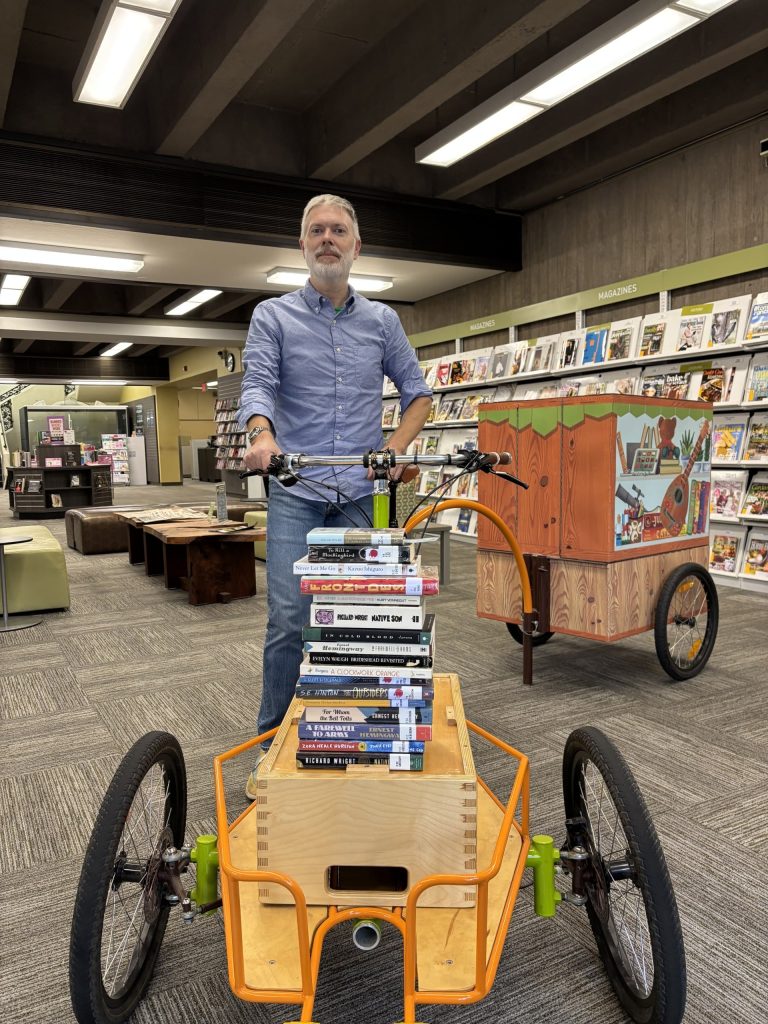
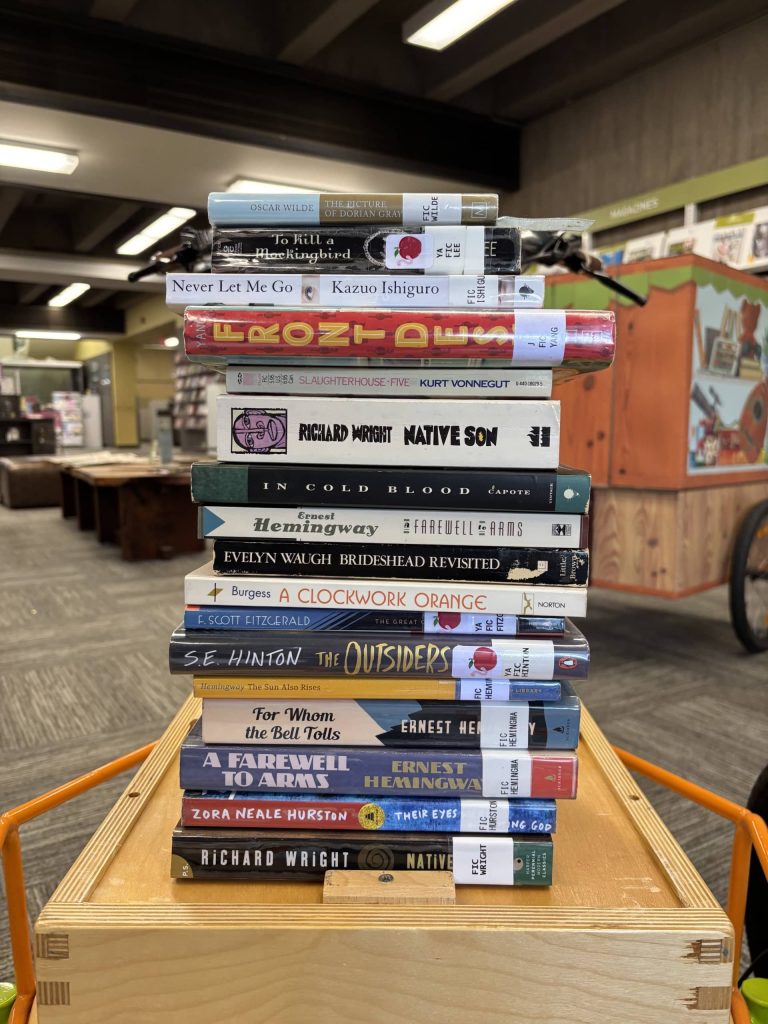
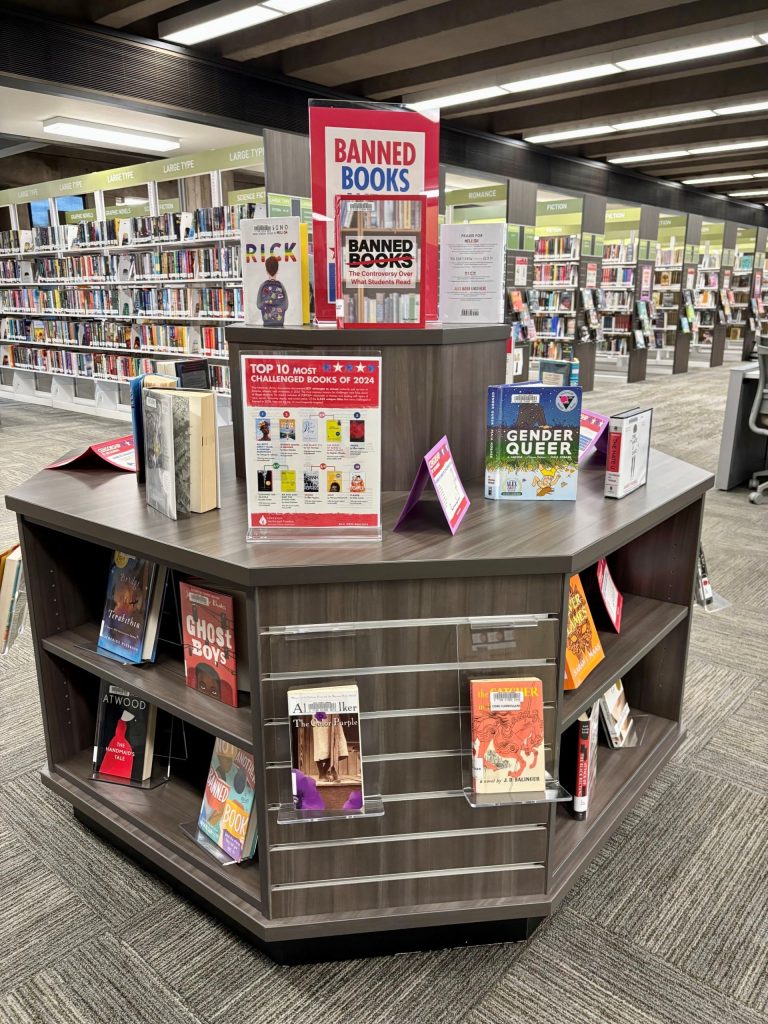
While October is best known for spooky costumes and pumpkin-spiced everything, there’s another type of scare that creeps into libraries this time of year: Banned Books Week.
More than 30 years ago, a librarian named Jo Godwin said, “A truly great library has something to offend everyone.” It might sound dramatic, but there’s truth in it. Our job is to build collections that reflect the full spectrum of our communities.
Banned Books Week, Oct. 5-11, is an opportunity to shine a light on the benefits that public libraries provide to communities by making available materials and resources that meet the needs of all residents, regardless of their political leanings, their cultural backgrounds, faith and more.
We often think of formal censoring when discussing items that are not available in a public or school library collection. And this is definitely true. In fact, the American Library Association’s Office for Intellectual Freedom has tracked 821 attempts to censor library materials and services. In those cases, 2,452 unique titles were challenged. Years ago, most complaints were led by individuals, but now more than 70% are initiated by formal groups and government entities.
This trend is concerning because pressure from organized efforts, from those that provide direct oversight of libraries, is more likely to create a chilling effect on libraries and the materials they purchase. When individuals reach out to us with concerns, we’re generally able to talk with them about the item in question, explain its purpose, share the goals in having that item or items in the library, and the conversation typically ends with a greater understanding. Not always, but generally. However, when institutions place direct pressure on what goes into a library’s collection, the effect is different. The conversation never happens. And the public is worse for it.
Here’s a benign example: Years ago, when I was a very young librarian in Texas, I was selecting VHS cassettes (yes, VHS) for the library. At the time, if a movie didn’t have subtitles, I didn’t think it was worth watching. The result was that a small suburb of Dallas had perhaps the largest collection of Scandinavian and Eastern European films of any library in the region. Great for me, maybe not so great for our broader community –– especially those looking for “Mission: Impossible II” or “Gladiator.”
I wasn’t actively censoring the collection. But I wasn’t considering the entirety of the population. It took a coworker saying to me that I “must be happy to get to keep my movie collection at the library,” for me to realize what I was doing. (That “coworker” later became my wife, which is a story for another day.) That interaction stuck with me for the past 30 years and has helped reinforce the value of actively seeking community feedback and the skill it takes for librarians to truly add resources to a collection that meets the individual needs of diverse populations.
In this instance, I wasn’t considering our population of users due to oversight. Now imagine what happens when librarians start avoiding certain materials, not out of personal bias, but out of fear –– fear of backlash, job loss or threats to the safety of themselves or library users.
At first, it starts with second guessing a purchase. But over time, it would take less and less effort to bypass those items and the moment of reflection wouldn’t occur. Self-censorship is real, and it can be both conscious and unconscious. It can also be more damaging, because it’s hard to notice what isn’t there.
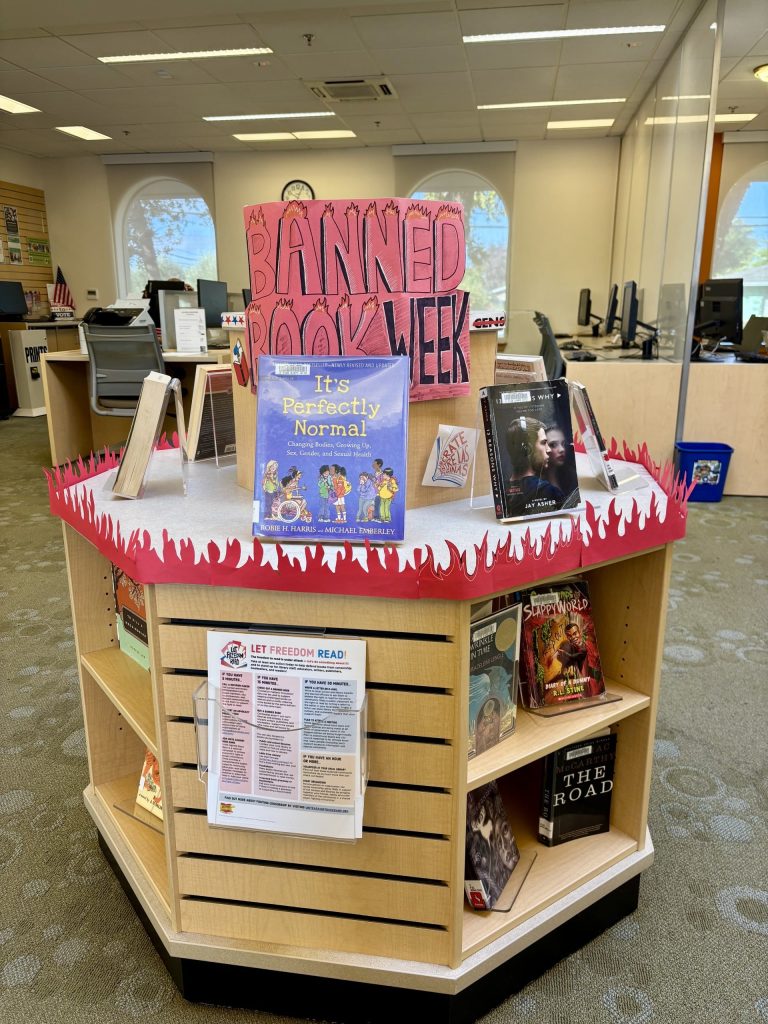

Luckily, California legislators worked to help keep this from happening. Assembly Bill 1825, which passed in 2024, prohibits public libraries from banning books based on their content, ideas or opinions. Furthermore, it protects library staff from punishment by following this law and requires that their collection development policy, including this law, be written and publicly accessible.
I began with a quote from an esteemed librarian, and I’ll end with another from Reading Rainbow’s LeVar Burton: “Every book is not for everybody, but there is somebody for every book.”
At each of the Napa County Libraries, we work every day to make sure those books are here –– for you, your family and everyone in our community.
Contact the author: [email protected]
The Yountville Library is open Tuesday – Saturday, 9 a.m. to 5 p.m.
(707) 944-1888
Questions or suggestions for your Library Commissioner: [email protected]
Learn more about Friends of the Yountville Library at: [email protected]
The Calistoga Library is open six days a week:
Monday, Tuesday, Thursday, Friday and Saturday: 9 a.m. to 6 p.m.
Wednesday: 12:00 p.m. to 8 p.m.
(707) 942-4833 or visit online at www.napalibrary.org
The American Canyon Library is open six days a week:
Monday 10 a.m. to 6 p.m.
Tuesday: Closed
Wednesday: 12:00 p.m. to 8 p.m.
Thursday, Friday and Saturday: 10 a.m. to 6 p.m.
Sunday: Closed
(707) 644-1136 or visit online at www.napalibrary.org
The Napa Library is open seven days a week:
Monday – Thursday: 9 a.m. to 8 p.m.
Friday and Saturday: 10 a.m. to 6 p.m.
Sunday: 1 to 5 p.m.
(707) 253-4241 or visit online at www.napalibrary.org