Lilacs reward gardeners with scent, color — and a short-lived show
The lilac is a classic English cottage-garden plant, yet it is native to southeastern Europe. That means it can be a successful garden plant in sunny, dry California, although it appreciates rain and cool summers.
I have a couple of lilacs in my yard, and they emerge at the same time each year in March, enfolding my back porch steps in a sweet scent. During the day, they are usually covered with humming bees.
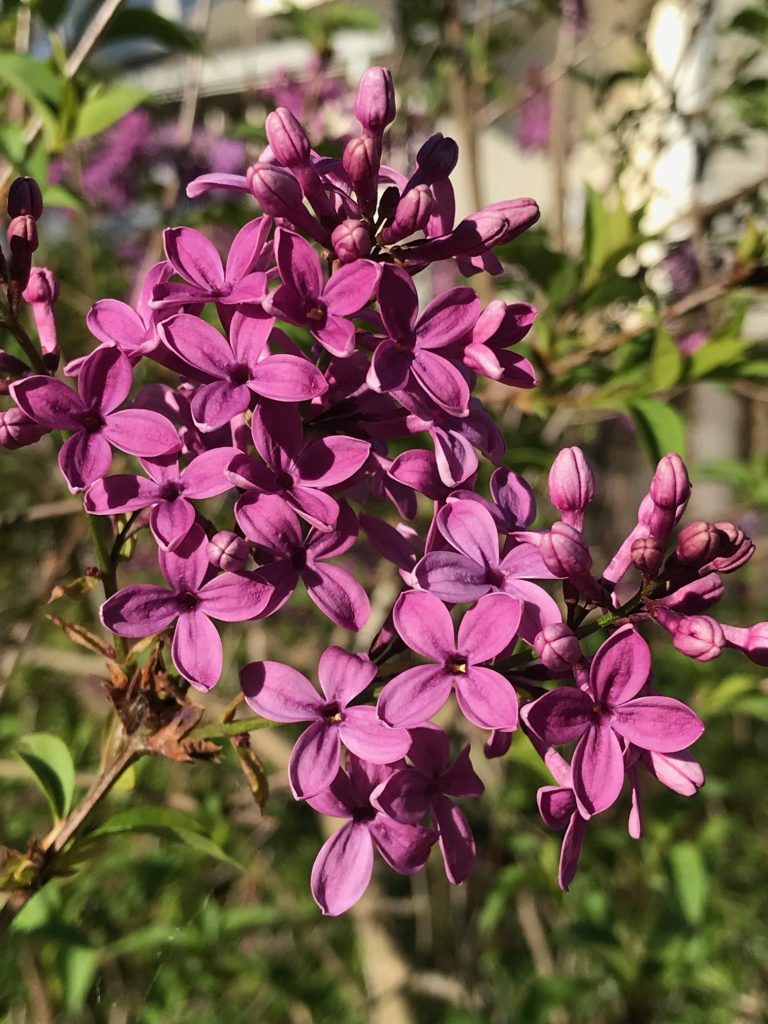
The only issue with lilac is that the bloom is short lived, but its perfume and color—and its allure to bees—make it worthwhile. Lilacs have clusters of tubular flowers that form a cone or pyramid shape, like that of oakleaf hydrangea, only smaller. These flower clusters are called panicles, and with lilacs they are 6 to 8 inches long. After they bloom, the flowers create clusters of small brown oval seed capsules that are about three-quarters of an inch long.
The typical color range is from lavender to purple, but there are white, pink, and dark burgundy cultivars.
Prune your lilacs right after they bloom and before the seed capsules form. If you wait too long, you can accidentally trim off the tiny flower buds that produce the flowers the following year. If you don’t prune at all, you will create a leggy, less full shrub. It will bloom but won’t have that fat, fluffy, appealing shrub shape.
Lilacs can grow 20 feet tall and six feet wide. They have small dark green oval leaves that do not produce fall color. They are grown for their flowers and scent. The rest of the year, they are a good backdrop for other, more colorful plants.
Lilacs need full sun, acidic soil and good drainage. They like to send out suckers, so you should remove those, to prevent them spreading and to maintain the shrub’s shape.
I have a dark red lilac that stopped blooming when a nearby tree grew and shaded it, so it received barely any sun. Only after the tree was pruned, did the lilac began to bloom again.
The best time to plant lilacs is in the fall to get them established before spring. However, you can successfully plant a lilac in the spring.
A current gardening trend is to aim for a landscape with at least 70 percent native plants. A lilac is a good non-native candidate for this type of mingling as its scent is out of this world.
Lilacs do not have many pests in our climate. Deer don’t like them. Lilacs that grow in places with summer rain can get powdery mildew but that is obviously not an issue here. In 30 years, I have not seen thrips or mites on my lilacs. Caterpillars are everywhere in my yard, but they have never bothered the lilacs.
The Latin name for lilac, Syringa vulgaris, has an interesting history. In botanic nomenclature, “vulgaris” means common or ordinary. It does not have a negative connotation. Syringa refers to Syrinx, a water nymph who resisted the advances of the Greek demigod Pan. She ran away from him and turned herself into a bunch of reeds. Pan took some of those reeds and turned them into a set of pipes for making music. Lilac branches have soft centers that can be hollowed out and turned into pipes for music or smoking.
Lilacs often appear in 19th-century literature, probably because the scent can evoke nostalgia in many people. Because the lilac flowers so early in spring, it is a symbol of renewal. Walt Whitman’s famous elegy on the death of Lincoln is titled “When Lilacs Last in the Dooryard Bloomed.”
If you are a fiercely California-native-flower-only gardener, the ceanothus, or California lilac, is an excellent garden choice. I shall write about ceanothus in my next column.
I received several more tips after my last column on best practices for growing tomatoes. Most of the advice was about the importance of good soil. Without good soil you will not have great tomatoes. Keep amending your soil during the growing season and you will have a larger harvest.
Tomato Plant Sale: Join UC Master Gardeners of Napa County for our annual tomato plant sale on Saturday, April 11, at 1710 Soscol Ave., Napa, from 9 a.m. until sold out. Seedlings are $5 each; cash or check only. Download your shopping list here.
Workshop: Join UC Master Gardeners of Napa County for a workshop on “All About Growing Tomatoes” on Sunday, April 12, from 2 to 3 p.m,. via Zoom. Learn about types of tomato plants and how to care for them, including soil and watering needs, staking, pest prevention and more. Register for the Zoom link.
Help Desk: The Master Gardener Help Desk is available to answer your garden questions. Use our online Plant Problem Help Form or email us at [email protected]. Include your name, address, phone number and a brief description of the problem. You can also visit us in person on Mondays and Fridays from 10 a.m. until 1 p.m. at the UC Cooperative Extension Office, 1710 Soscol Ave., Suite 4, Napa.
Sponsored
Author