Cool-season vegetables thrive as gardeners eye spring
What gardener’s thoughts do not turn to the vegetable patch when the sun comes out after a long spell of rainy days? Most of us want to jump right into the beloved tomatoes and beans of summer, even though their planting time is still a couple of months away. The savvy gardener knows that March is ideal for starting vegetables that thrive in cool weather and grow rapidly as the hours of daylight increase.
Napa temperatures in March range from an average low of 40°F and an average high of 60° F; in April those numbers rise to 45°F and 70°F, and in May to 50°F and 78°F. These temperatures are ideal for growing cool-season annual vegetables. Unlike perennials such as artichokes and asparagus and some warm-season crops, many cool-season vegetables go from seed to maturity in two to three months. That means you can harvest lots of fresh produce in late spring and still have room in the garden to plant tomatoes and other heat lovers later.
Most root vegetables are cool-season plants. They should be started from seed planted directly in the ground; their seedlings don’t typically transplant well although beets are an exception.
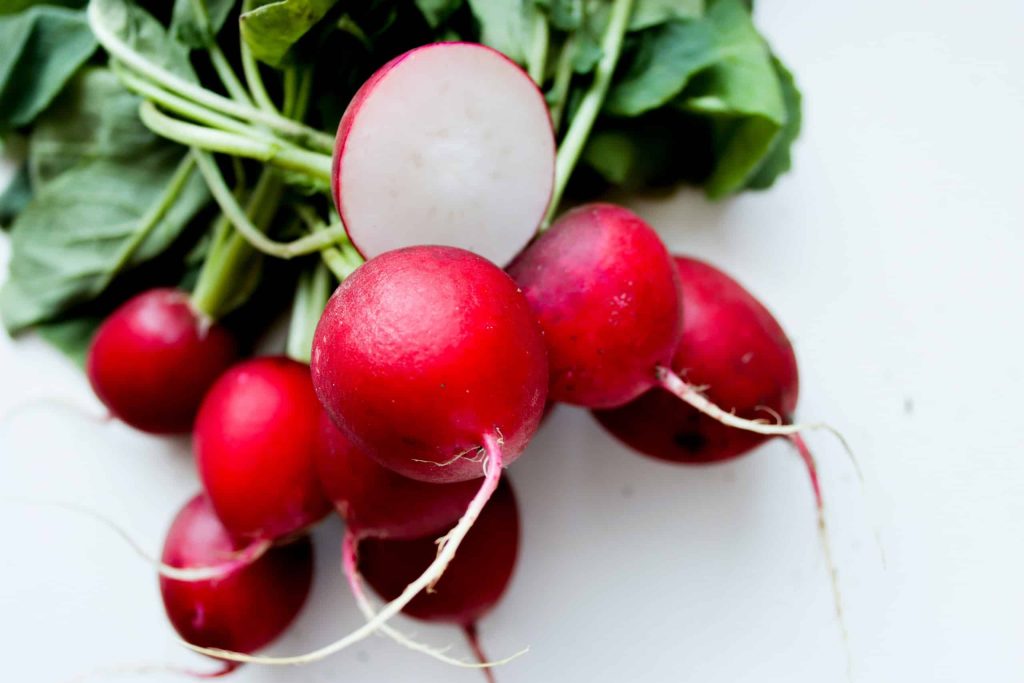
Radishes are notably quick to produce a crop. Classic red radishes will be ready to harvest in about a month, so you can plant seeds successively three to four weeks apart and still have all your radishes harvested in time to plant summer crops. Read the back of the seed packet; some varieties, like French breakfast radishes, need a couple of months. Plant them soon if you want the space in May for growing summer veggies. Carrots and baby turnips are also cool-season root vegetables, and many varieties are ready for harvest in about two months.
Peas should be planted from seed now. Vining types don’t take up much space if you grow them on trellises or towers. Snap peas and snow peas are easy to grow and productive, but English peas thrive at this time of year, too. Just be prepared to shell them.
Lettuce and other leafy greens do best in cool spring weather, and many are ready to pick in a couple of months. Consider Asian greens such as baby bok choy and mustards. Arugula grown in spring is not as spicy as it is in warm weather. Cilantro also grows quickly now. You may need to replant it multiple times as it goes from leafy goodness to seed rapidly.
Spinach takes a little more time to mature, as do beets and chard. You can get a crop faster if you set out seedlings. You can also set out seedlings of broccoli, cauliflower, cabbages, kale and kohlrabi.
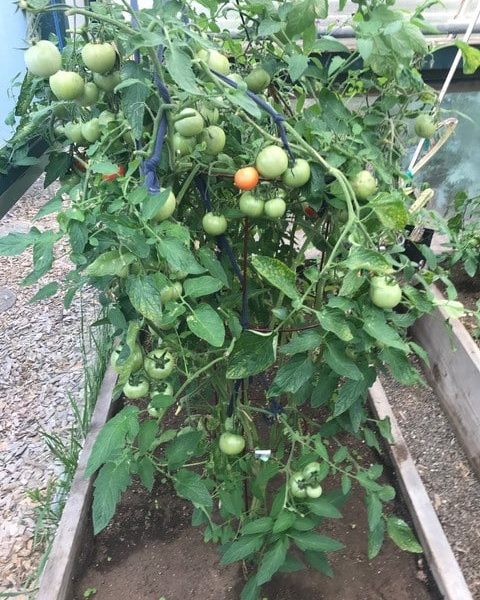
Nurseries and garden centers have lots of cool-season vegetable seedlings now. Just resist the temptation to buy warm-season vegetables like tomatoes and peppers. These want to planted in warm soil, when nighttime temperatures are regularly in the 50s, typically not until late April or May.
There are a few common problems to watch for in spring vegetables. Snails and slugs thrive in moist, cool spring weather. According to UC IPM (Integrated Pest Management) the first line of defense is hand picking and trapping to reduce their numbers. If you must use bait, look for one with iron phosphate as the active ingredient. This type is considered safe for animals and organic gardens. Avoid baits containing metaldehyde as these are toxic to mammals.
Aphids love the tender shoots of growing plants. Check for infestations often and use a spray nozzle to knock them off.
Birds can do a lot of damage by eating emerging seedlings. Protect seed beds and seedlings with some kind of barrier. Row cover that lets in light and water can be draped over beds or supported by hoops of some kind. Netting or screens also work well. Some gardeners fashion wire cages to slip over plants until they are near maturity.
Another nemesis is the imported cabbageworm: the larva of a small white butterfly with one to four black spots on its wings. The butterfly lays tiny eggs on the undersides of leaves of plants in the brassica family, such as broccoli, cauliflower and kale. You can check the leaves regularly to remove the eggs and hand pick any larvae, but protecting the plants with row cover or another barrier prevents the problem with less effort.
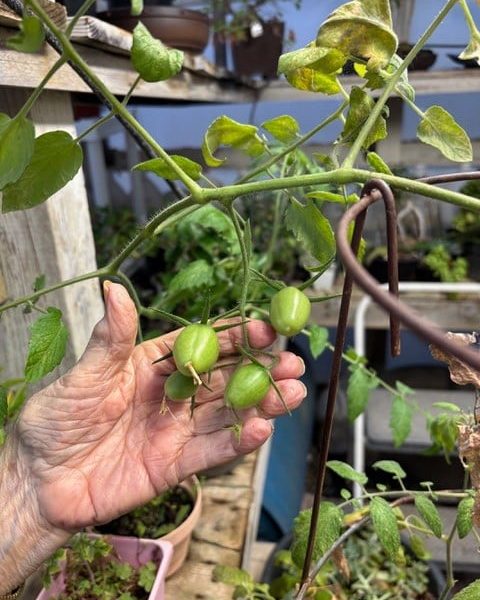
For more information about these pests and more, consult the UC IPM site. And one last thought: if you really must think about tomatoes, early March is a good time to start your favorite varieties indoors. You can plant the seedlings several weeks from now, after you have harvested your cool-season vegetables.
Workshop: Join UC Master Gardeners of Napa County for a workshop on “Spring and Summer Vegetables” on Saturday, March 14, from 10 a.m. to noon, at UC Cooperative Extension, 1710 Soscol Ave., Napa. Come get your hands dirty in this hands-on vegetable growing workshop. Learn what to plant now and later when the weather gets hot. Soil prep, irrigation, seed starting, transplants and potential problems: we’ll cover it all. The workshop will repeat on Sunday, March 15, from 1to 3 p.m., at Yountville Community Center in Yountville. Register here for the Napa workshop. Register here for the Yountville workshop.
Workshop: Join UC Master Gardeners of Napa County for a workshop on “How to Plan Planting a Vineyard” on Saturday, March 28, from 9 a.m. to noon. Learn how to evaluate your site, prepare the land and plan the layout. Register here to receive the workshop location.
Help Desk: The Master Gardener Help Desk is available to answer your garden questions. Use our online Plant Problem Help Form or email us at [email protected]. Include your name, address, phone number and a brief description of the problem. You can also visit us in person on Mondays and Fridays from 10 a.m. to 1 p.m. at the UC Cooperative Extension Office, 1710 Soscol Ave., Suite 4, Napa.