
Napa County approves groundwater pumping fees for 2026, splitting supervisors in 3–2 Vote
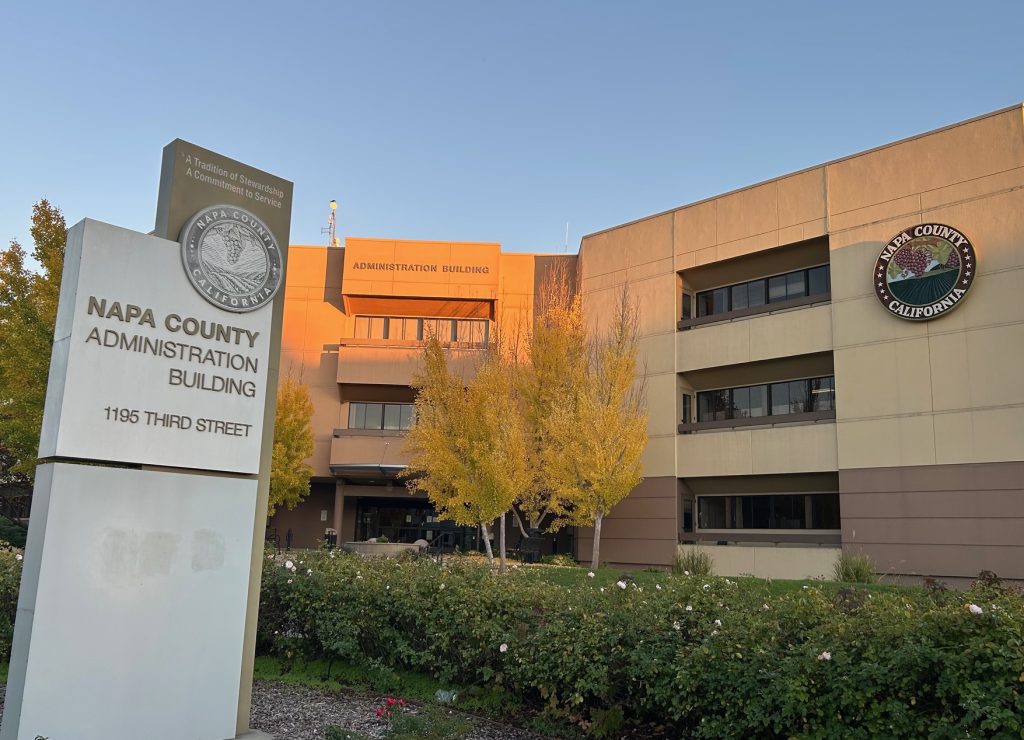
Napa Valley vineyard owners and other well-users will start paying an annual pumping fee beginning in 2026 for a subbasin that stretches from south of Napa to Calistoga. Those sitting outside the basin are not affected.
Napa County’s Board of Supervisors, acting as the Napa County Groundwater Sustainability Agency, on Tuesday, Dec. 9 approved pumping fees that will be charged to groundwater users in the subbasin.
The fees, which are slated to appear on property owners’ 2026-2027 tax bills, are designed to fund Napa County’s groundwater sustainability program.
The vote was 3-2, with supervisors Liz Alessio and Anne Cottrell voting against the proposal.
The county estimates Napa’s program will cost about $2.5 million annually to manage the subbasin’s groundwater system. That budget includes consultants and administration costs. Until now, Napa County paid for the entire program, a state mandate.
Under the fee structure, Napa County will contribute $500,000 to the program. The fees paid by groundwater users in the basin, which includes about 45,900 acres, cover most of the expenses.
The Napa Valley subbasin is one of California’s 46 subbasins subject to the state mandates under the Sustainable Groundwater Management Act (SGMA), which California put in place in 2014.
Under the proposal, vineyard owners and other farmers in the subbasins pay $98.74 per acre if they irrigate. Growers who either dry farm or use recycled water pay $38.58 per acre annually.
Seventy-four percent of the groundwater pumping in Napa County is attributable to agricultural users, Jamison Crosby, Napa County’s natural resources manager, told the supervisors.
Residential property owners pay $62.58 per parcel. Public water systems pay $129.87 per acre-foot.
Supervisors Anne Cottrell and Liz Alessio recommended a phased-in approach, with the county contributing more money to the program. The motion, which Cottrell and Alessio supported, failed with a 3-2 vote.
Crosby said the proposed fees provide a “reasonable ceiling.” The supervisors could ratchet the fees down, however, the fees cannot be raised without a new study.
The county needs to have the groundwater management program in place to maintain local control, but Napa County needs to be mindful of “these harsh economic times” for property owners, farmers and the wine industry, Alessio said.
There are about 42,400 acres of planted vineyards in Napa County. Between October 2024 and August, more than 3,100 acres have been pulled.
“Mounds” of vines from vineyards that have been pulled are visible along Highway 29 and the Silverado Trail, Alessio said, before recommending phasing in the pumping fee.
Supervisors Joelle Gallagher and Belia Ramos noted adjustments to the fee structure can be made when the board set its budget.
Ramos said the proposal has long been in the works. She also noted other large bills Napa County has to pay, such as other unfunded mandates, including more than $1 million this year to relocate the Napa County district attorney’s office because of infrastructure problems.
Ramos said Napa County should not contribute more money, referring to the proposed $500,000 contribution incorporated in the proposed fee structure.
Supervisor Amber Manfree said the decision is painful but it will sustain agriculture in the long term. “We have to do something difficult in order to achieve something that has long-lasting benefits for the entire community over many decades.”
Michelle Benvenutto, executive director of Winegrowers of Napa Couty, raised a host of objections to the fees, including the fee structure.
The program ‘s scope expanded over the years, Benvenuto said. “The wine industry is navigating unprecedented challenges right now. We need the county to step up and be a true partner in helping.”
Crosby reiterated that no one outside the Napa Valley subbasin will pay a fee.
Sonoma enacted its fees in 2021, Crosby said. “We’re really kind of late to the game across the board.”